
Energy as a Service Market Competitive Landscape | 2035
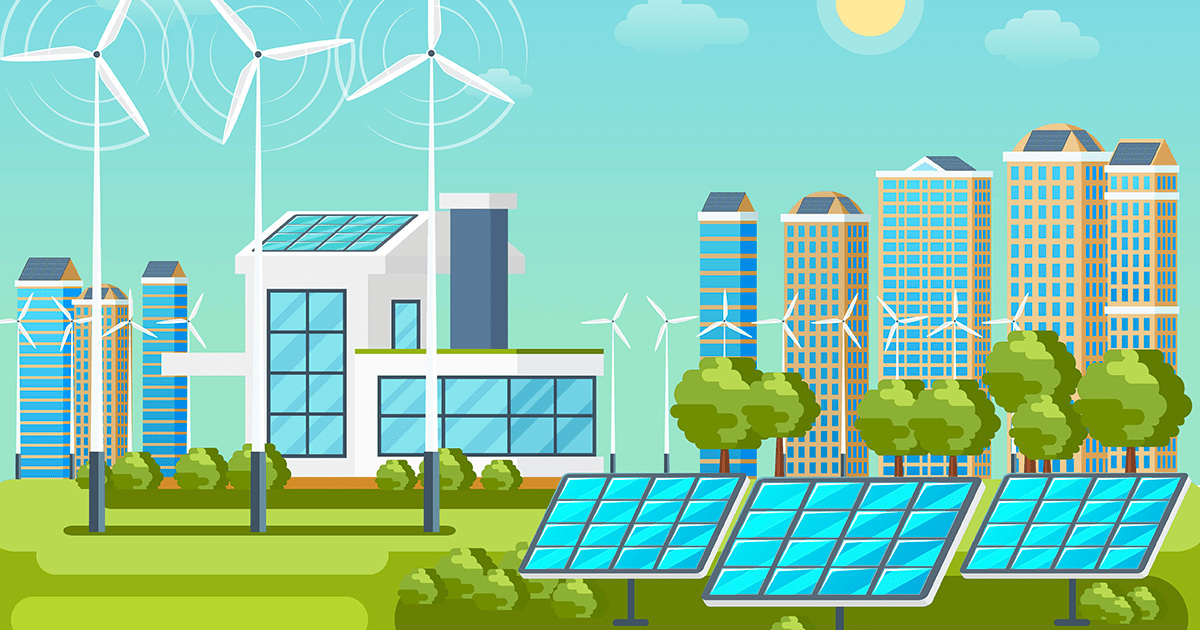
The fundamental Energy as a Service Market Dynamics are governed by a powerful and transformative interplay of technological disruption, new financial models, and a profound shift in the customer's relationship with energy. The Energy as a Service Market size is projected to grow to USD 120.0 Billion by 2035, exhibiting a CAGR of 9.05% during the forecast period 2025 - 2035. On the demand side, the primary dynamic is the move from a passive, commodity-based consumption model to an active, outcome-based partnership model. The traditional dynamic was simple: a business bought electricity from the utility on a per-kilowatt-hour basis and had little visibility or control over its energy usage. The new dynamic is that businesses are no longer just looking to buy energy; they are looking to buy a set of desired outcomes, such as a guaranteed level of cost savings, a certain percentage of their energy from renewable sources, or a higher level of energy resilience to protect against grid outages. This demand for a more holistic, predictable, and value-driven energy solution is the core demand-side dynamic that has created the EaaS market. A counter-dynamic, however, is the inherent complexity of the EaaS model, which requires a long-term, multi-faceted partnership that can be more difficult for some businesses to procure and manage than a simple commodity contract.
On the supply side, the most critical dynamic is the rapid and concurrent decentralization and digitization of the energy system. The traditional, centralized model of large, distant power plants is being challenged by the rise of Distributed Energy Resources (DERs), such as on-site solar, battery storage, and electric vehicles, which are located at or near the point of consumption. This decentralization is a massive disruptive force and a key supply-side dynamic. The EaaS providers are the primary orchestrators of this new, decentralized energy world, providing the expertise and the capital to deploy and manage these complex on-site assets. The other key supply-side dynamic is digitization. The proliferation of smart meters, IoT sensors, and cloud-based software platforms is creating a new, data-rich energy landscape. This dynamic is enabling a new level of intelligence and optimization, allowing EaaS providers to use sophisticated algorithms to continuously monitor and control a customer's energy assets to maximize efficiency and savings.
The interaction between this demand for outcomes and the supply of new, decentralized, and digital technologies is mediated by a set of crucial financial and regulatory dynamics. The financial dynamic is at the very heart of the EaaS model. A key dynamic is the shift of the capital investment burden from the customer to the EaaS provider. The provider finances and owns the new energy assets (like the solar panels), and the customer pays a simple, predictable service fee, turning a large capital expenditure into a manageable operational expense with no upfront cost. This financial innovation is a key enabler of the market. The regulatory dynamic is another powerful force. The market dynamics are heavily shaped by the specific rules and regulations of the local electricity market, such as the policies for interconnecting on-site generation to the grid, the incentives for energy efficiency, and the rules for participating in demand response programs. The ability of an EaaS provider to navigate this complex and often-changing regulatory landscape is a key dynamic and a critical success factor.
Top Trending Reports -
Transportation Management System Market Size, Trends - 2035


 Spanish