
Secure Access Services Edge Market Analysis, Growth Drivers & Challenges | 2032
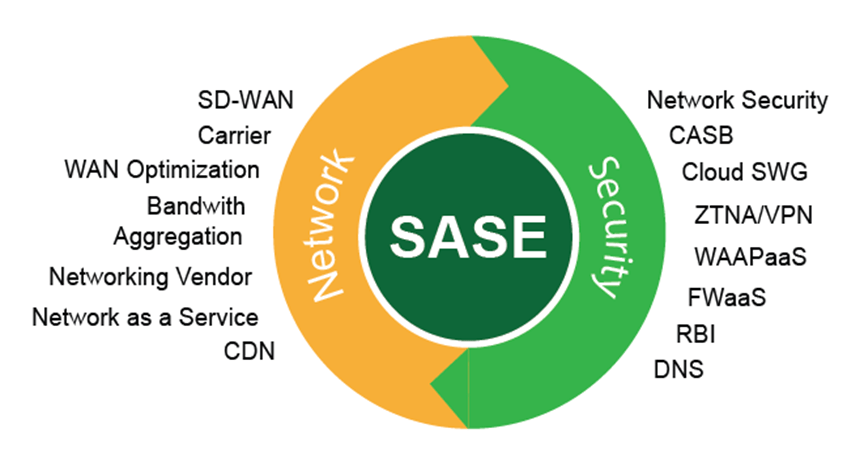
The fundamental Secure Access Services Edge Market Dynamics are governed by the powerful and often disruptive forces of cloud adoption, workforce mobility, and the dissolution of the traditional network perimeter. The Secure Access Services Edge Market size is projected to grow USD 42.86 Billion by 2032, exhibiting a CAGR of 22.1% during the forecast period 2024-2032. On the demand side, the primary dynamic is the profound architectural shift in how and where business is conducted. The old, "castle-and-moat" model of IT, where all the applications and data were in a centralized data center and all the users were in the office, is dead. The new dynamic is one of a highly distributed enterprise, where applications are in the cloud (both public and SaaS), data is everywhere, and users can be working from anywhere. This has completely broken the traditional, perimeter-based model of security. The dynamic is that traffic no longer needs to be "hair-pinned" back through a central data center to be secured; security needs to be delivered directly from the cloud, as close to the user as possible. This fundamental need for a new, cloud-native, and identity-centric security and networking architecture is the core demand-side dynamic that has created the SASE market.
On the supply side, the most critical dynamic is the massive and complex technological convergence of two previously separate and distinct markets: wide-area networking (WAN) and network security. The supply side is a dynamic and often messy battlefield where the vendors from these two different worlds are all racing to build a single, unified SASE platform. The dynamic for the traditional networking vendors is the challenge of building a world-class, cloud-delivered security competency, which is often a very different skill set and business model from their traditional hardware-centric business. The dynamic for the traditional security vendors is the challenge of building a robust, high-performance global networking capability, which requires a massive investment in a global network of Points of Presence (PoPs) and deep expertise in network engineering. A key supply-side dynamic is the debate between a "single-vendor" SASE approach, where a single company provides the entire, integrated stack, versus a "two-vendor" or "best-of-breed" approach, where a company might partner a best-in-class SD-WAN provider with a best-in-class cloud security provider.
The interaction between this demand for a new architecture and the complex supply-side convergence is mediated by a number of crucial market dynamics. The dynamic of the "channel" is a critical one. Many enterprises, particularly in the mid-market, do not want to manage a complex SASE deployment themselves. This has created a massive dynamic for Managed Service Providers (MSPs) and telecommunication companies to offer "Managed SASE" services. The dynamic of who will win the channel, and how the vendors will enable their partners to be successful, is a key feature of the market. Another key dynamic is the powerful influence of the major public cloud providers (AWS, Azure, Google Cloud). While they are not typically seen as pure-play SASE vendors, they are increasingly offering their own native networking and security services that compete with parts of the SASE framework, and their platforms are the primary destination for the traffic that SASE is designed to secure. The dynamic of how the SASE vendors will compete and partner with these cloud giants is a critical and evolving aspect of the market.
Top Trending Reports -
Device as a Service Market Size, Trends | Global Report - 2035
Integration Platform as a Service Market Size, Trends - 2035

 Spanish