
The Anatomy and Evolution of the Everything as a Service Industry
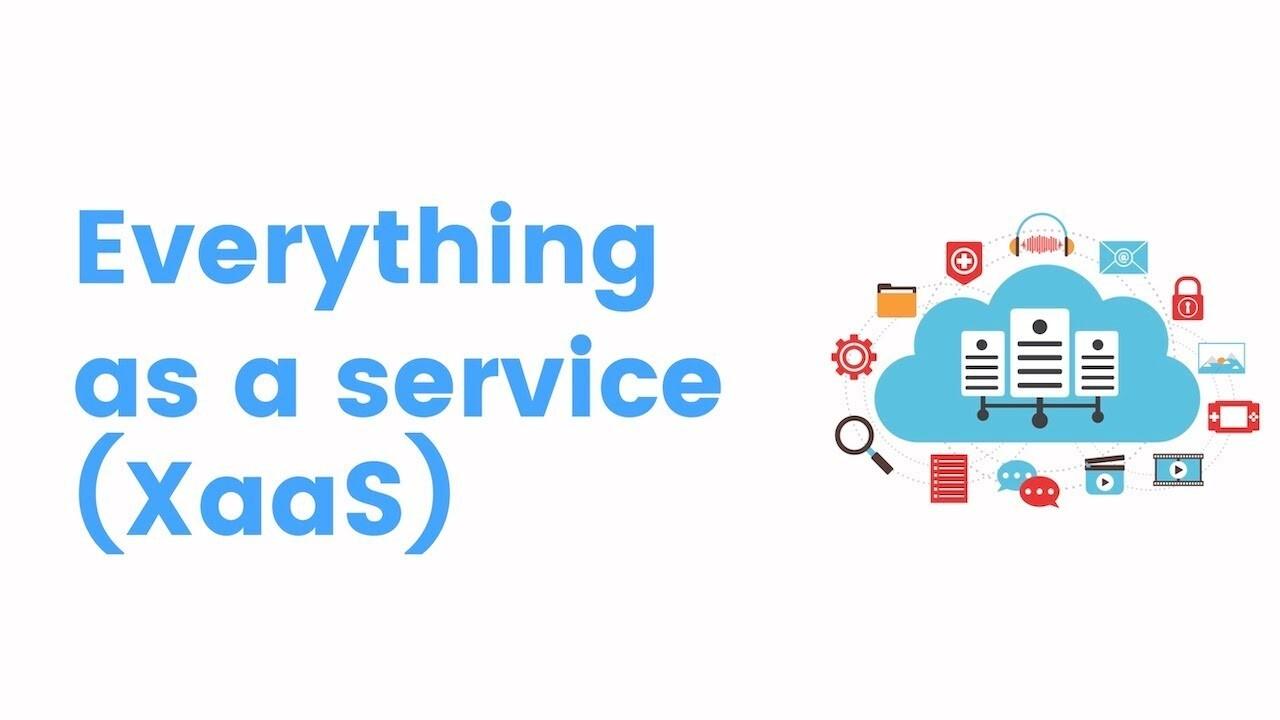
The modern Everything as a Service industry is the culmination of decades of evolution in computing, representing the ultimate abstraction of technology into a utility. This vast and intricate industry is the engine behind a market that is projected to reach a staggering valuation of USD 3,689.77 billion by 2035, a clear indicator of its foundational role in the global economy. This growth, advancing at a brisk CAGR of 22.12%, traces the industry's journey from renting time on mainframes to the ubiquitous, on-demand cloud services of today. The industry's evolution is a story of increasing accessibility, scalability, and a relentless focus on delivering business outcomes rather than just technology components.
The origins of the XaaS industry can be traced back to the early days of computing with time-sharing on mainframes, and later, the Application Service Provider (ASP) model of the late 1990s. ASPs hosted and managed software applications for businesses, delivering them over the internet. While the concept was sound, it was ahead of its time; the internet infrastructure was often not reliable enough, and the model struggled to gain widespread traction. The true birth of the modern XaaS industry began in the mid-2000s with the launch of Salesforce, which pioneered the Software as a Service (SaaS) model for CRM, and Amazon Web Services (AWS), which pioneered Infrastructure as a Service (IaaS) by renting out its own massive computing infrastructure.
The second phase of the industry's evolution was characterized by massive expansion and specialization. The success of the early pioneers proved the viability of the "as-a-service" model, leading to an explosion of new companies and service categories. The SaaS market fragmented into thousands of specialized applications for every conceivable business function, from HR to finance to marketing. The IaaS market became a race for scale among the hyperscale providers. This era also saw the rise of Platform as a Service (PaaS), which provided a middle layer for developers, and the coining of the term "XaaS" to describe the application of the service model to everything else, including security (SECaaS), communications (UCaaS), and databases (DBaaS).
Today, the industry is entering its next stage of evolution, defined by artificial intelligence, serverless computing, and deep integration. AI and machine learning are no longer standalone services but are being embedded into every layer of the XaaS stack, making applications and infrastructure more intelligent and automated. The rise of serverless computing (like AWS Lambda) is further abstracting away the underlying infrastructure, allowing developers to focus solely on their code. The most significant trend is the move towards integrated platforms and ecosystems, where hundreds of different XaaS services can be easily connected via APIs to create complex, customized business solutions. This shift from individual services to interconnected platforms is what defines the mature, highly sophisticated XaaS industry of the 21st century.
Explore Our Latest Trending Reports:

 English