
Clash of the AI Titans: A Comprehensive GPT-4, Gemini, Claude, and GPT Showdown - 2025 LLM Analysis
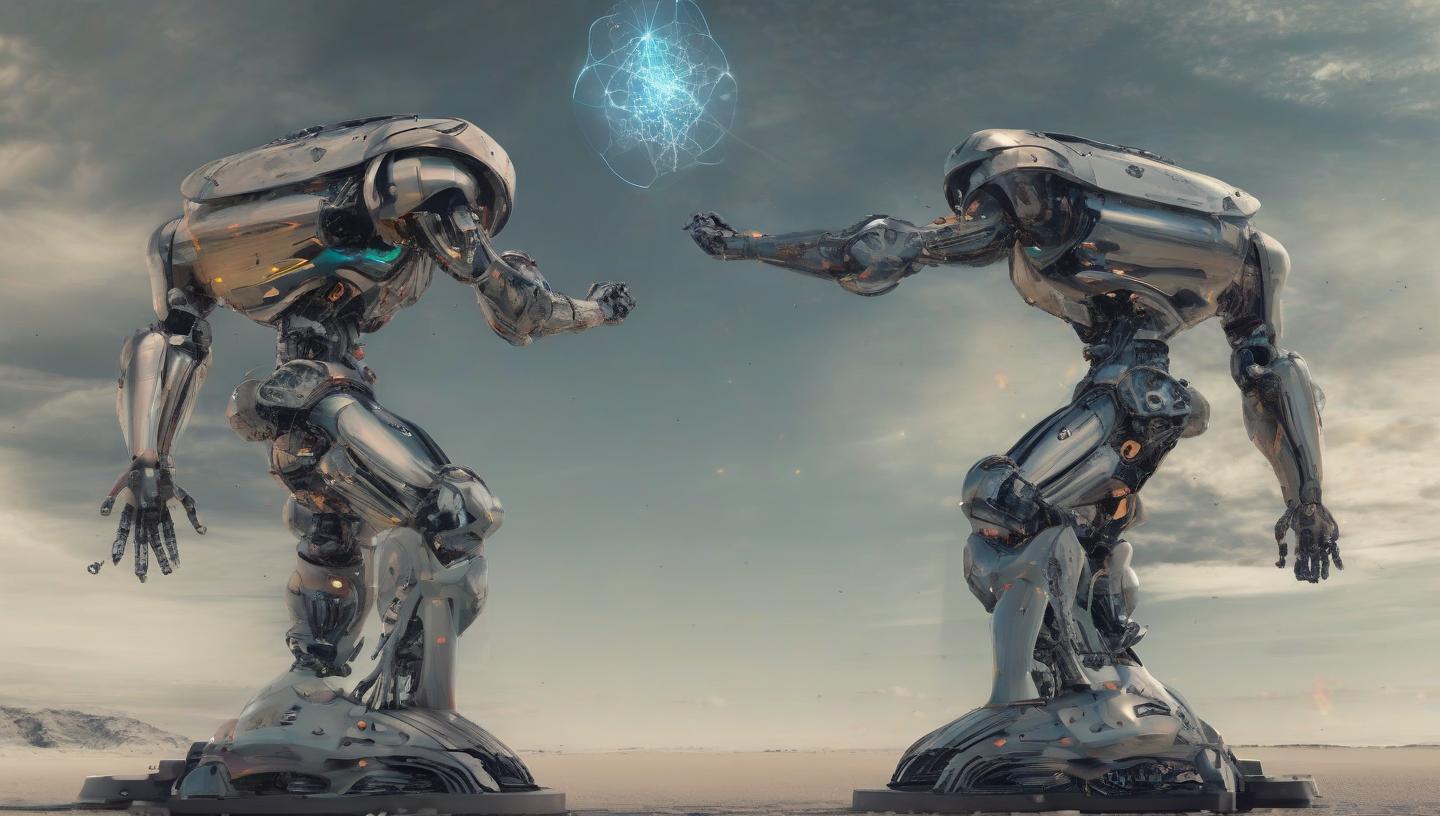
In the rapidly evolving world of artificial intelligence, 2025 has become a battleground for tech giants like OpenAI, Google, Anthropic, and Meta as they compete to dominate the large language model (LLM) arena. The fights between GPT-4 and Gemini, and Claude versus GPT, have everyone wondering: which AI model will come out on top? Let's dive into this showdown and scrutinize the strengths and weaknesses of each contender.
The Rise of Large Language Models
Large language models have transformed how we interact with technology, enabling everything from smart chatbots to language translation and content creation. The recent launches of GPT-4 by OpenAI and Gemini by Google have set the stage for a thorough comparison. But what sets these models apart? Let's break down their architectural frameworks and capabilities.
GPT-4 vs. Gemini: A Closer Look
GPT-4 is often hailed for its advanced language understanding and generation abilities, while Gemini stands out with its multimodal interaction and knowledge retrieval strengths. Here’s a quick rundown:
GPT-4:
- Masterful language generation
- Enhanced conversational skills
- Strong handling of complex queries
Gemini:
- Multimodal input processing
- Integrated knowledge graph for precise information retrieval
- User-friendly interactive interfaces
Claude vs. GPT: The Battle Continues
Anthropic's Claude and OpenAI's GPT series are often compared head-to-head. But how do they stack up against each other?
Where Each Shines
Claude is known for its robust safety features and human-like conversational style, making interactions feel more natural. On the other hand, GPT excels with its vast knowledge base and quick response times. However, each has its downsides: Claude’s availability can be limited, and GPT can sometimes give inaccurate answers.
Let me illustrate this with a personal anecdote. I once used Claude to help draft a complex email. Its ability to understand the context and provide suggestions made the task much easier. But when I needed quick facts, GPT’s speed and breadth of knowledge were unmatched. Here’s a breakdown:
- Conversational Flow: Claude is designed to mimic human dialogue, making interactions more intuitive.
- Knowledge Scope: GPT’s extensive training data provides a wide range of information on various topics.
- Safety Measures: Claude’s focus on safety ensures a more controlled and respectful interaction environment.
Looking Ahead: Technical Insights and Future Innovations
As the LLM landscape continues to evolve, it's essential to look at the technical aspects and future developments of these AI models.
The OpenAI vs. Google Debate
The OpenAI vs. Google rivalry isn’t just about which model is better; it’s also about their approaches to AI development. OpenAI emphasizes collaborative, open-source development and community-driven improvements, while Google focuses on proprietary technology and integrated services.
This strategic divergence will likely shape the future of LLMs, influencing how artificial intelligence evolves in the coming years. Whether it's OpenAI's collaborative spirit or Google's integrated services, both approaches have their merits and will push the boundaries of what’s possible in AI. Let’s see how these titans continue to innovate and compete in 2025 and beyond.



 Spanish